
Home/Columns/The Pleasure of Not Rebuilding Too Much: Asuka, Where the Ground of 1,400 Years Ago Lies Just Below
Published
Asuka's sites have almost no reconstructed buildings, and people say they are hard to understand. But here the ground of 1,400 years ago lies so close below that removing a little paddy soil can reveal ancient stone steps. Here are some thoughts on walking sites that leave room for imagination.

In the panel discussion at the symposium marking the World Heritage inscription in November 2026, the moderator said: bring students and explain, and they understand. But visit alone, and it is hard to tell what was where.
Indeed, at the Asuka Palace Site only the corner with the stone pavement and well has been restored. The Fujiwara Palace site is a wide field apart from the earthen platform of the Great Audience Hall and red pillars marking post positions.
The advice in the discussion was to get the overall picture at a museum before going to the sites.
The Asuka Historical Museum of the Nara National Research Institute for Cultural Properties has a model of the Asuka capital. Near the Fujiwara Palace site, the Kashihara City Fujiwara-kyō Exhibition Room has a model of Fujiwara-kyō. The museum of the Archaeological Institute of Kashihara and the Asuka Village archaeological exhibition room also convey the period through excavated objects. With the palace's extent in your head from a model, you begin to see fence lines across the fields on site.
Then would more reconstructed buildings make things easier? The discussion suggested it was not that simple.
A reconstruction gives one answer a physical form. But excavation reveals only post holes and paving; roof shapes and floor heights can only be inferred from comparable examples, and architectural specialists sometimes disagree about reconstructions. The moderator also mentioned feeling that some sites abroad had been "over-reconstructed."
A historian of Buddhism said that it is also valuable for visitors to picture the old landscape for themselves, using what research has found as clues. Making everything rebuilt and easy to understand is not the only right answer.
In Asuka, removing a little paddy soil can sometimes reveal ancient stone steps or paving. In places, the ground level of 1,400 years ago is not much different from today's.
One reason is that after the capital moved to Fujiwara-kyō and then Heijō-kyō, this land was not heavily remade as another capital but stayed as fields. Where capital was built on capital, that does not happen.
So the lines of field boundaries and slight steps in the ground can be clues to buried ditches and fences. Asuka's paddies are not just a rural landscape; they are also a faint map of the remains below.

Asuka is not untouched nature. Yet people feel like calling it the "home of the heart," it was said, because the work of those who tried to build a capital 1,400 years ago remains in its landforms and scenery.
You cannot grasp it all at once. Coming ten or twenty times, you notice things you missed before. The moderator recalled from his excavation days that snow lay differently in Asuka and Fujiwara, and that when cosmos were blooming in Asuka they had already been cut in Fujiwara. Two places only a few kilometres apart show different faces when you keep coming back.
First see the model at the Asuka Historical Museum, then take in all of Asuka from the lookout on Amakashi Hill. Go down to the Asuka Palace Site and follow the lines of the field boundaries. Come back in another season and walk on to the Fujiwara Palace site. Walking with things still unexplained is one way to enjoy this World Heritage site.
RELATED SPOT
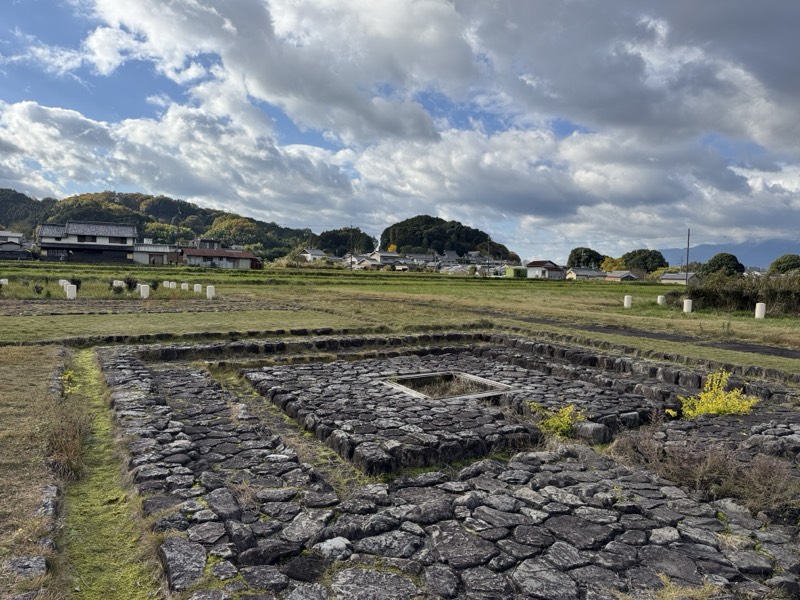
飛鳥宮跡(伝 飛鳥板蓋宮跡)
The political heart of Asuka, where several palaces were built one on top of another.
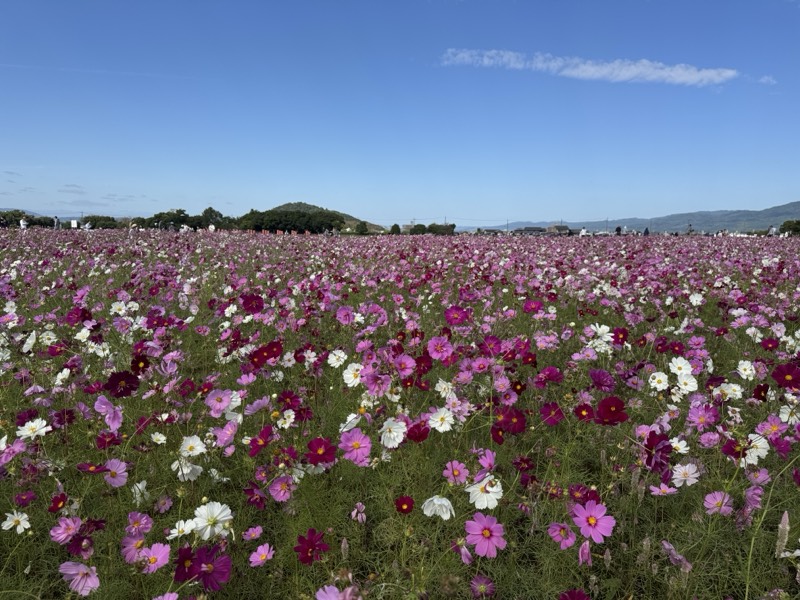
藤原宮跡
The heart of Japan's first full-scale planned capital, also known for its seasonal flower fields.
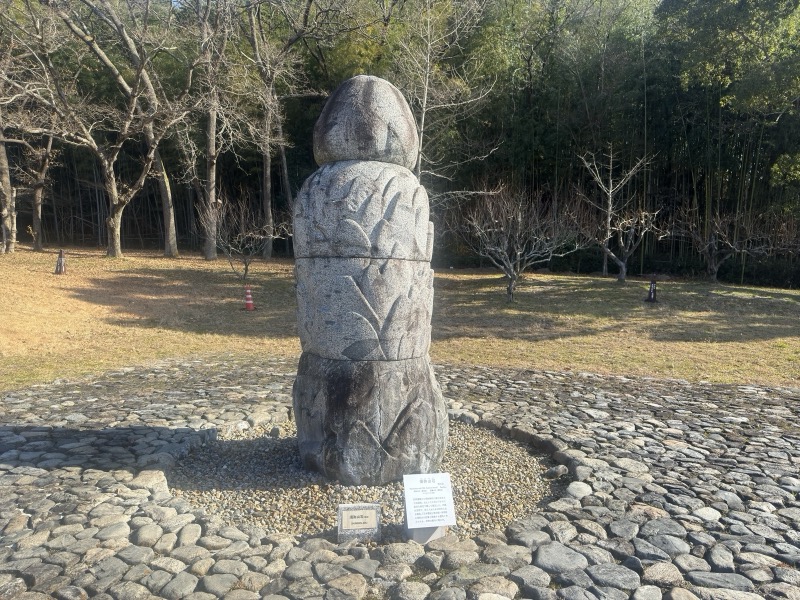
奈良文化財研究所 飛鳥資料館
The Nara National Research Institute's museum, displaying finds from Asuka and the east corridor of Yamada-dera Temple.
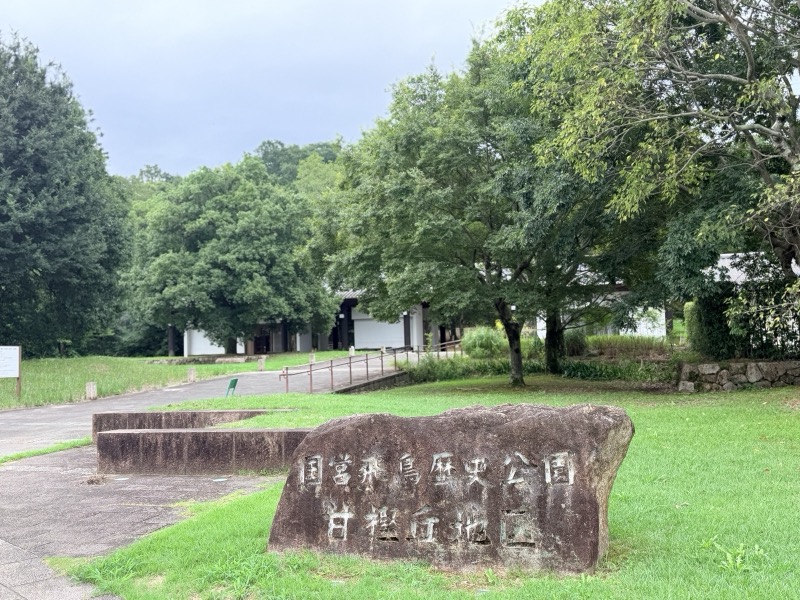
甘樫丘
A hill with views over all of Asuka, said to have been the site of the Soga clan's residences.
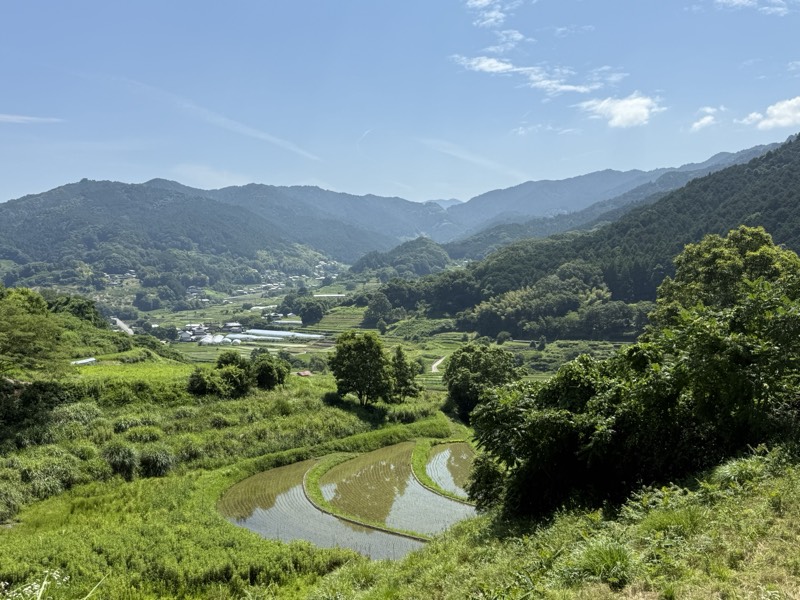
稲渕の棚田
One of Japan's 100 finest terraced rice fields. In autumn, giant scarecrows appear.
RELATED COLUMN
The Asuka Act: this landscape rests on the restrictions its residents live withCross the village boundary and the scenery changes noticeably. The landscape of Asuka has not survived by…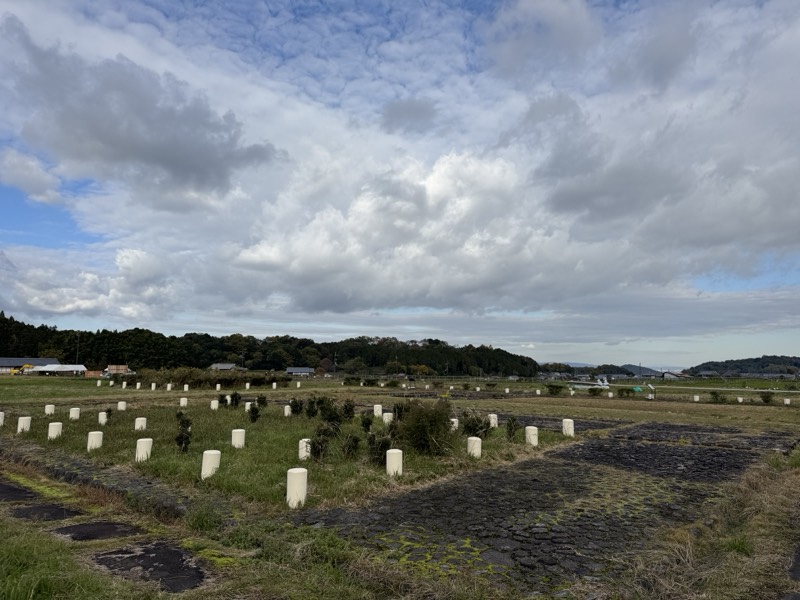 Palace Design Did Not Advance in a Straight Line: Early Naniwa, Asuka and Fujiwara PalacesAfter the Isshi Incident of 645, a grand and orderly palace was built at Naniwa. Yet the palaces built after…Digging Amakashi Hill Today: The Joint Excavations of Asuka Village and Kansai University, and a Wooden Tablet About RiceAmakashi Hill is where, the Nihon Shoki says, Soga no Emishi and Iruka had their residences. Since 2020 the…