
Home/Columns/Buddhas Made of Clay: Okadera's Nyoirin Kannon, Hōryūji's Pagoda, and the Fragments from Kawaradera's Back Hill
Published
Clay statues, built up over a wooden core, were made widely in the late 7th and 8th centuries and then faded away. Okadera's principal image, the largest clay statue in Japan; the figure groups in Hōryūji's five-storey pagoda; and the 2,000 fragments from the Kawaradera Urayama site. Where were these clay Buddhas placed, and how?
A clay statue (sozō) is made by building a wooden armature, wrapping it with straw rope, and building up the form in layers of clay from coarse to fine. The surface was then smoothed and painted or gilded.
Since the material was ordinary earth, large statues could be made and fine expressions modelled easily. On the other hand, they were vulnerable to damp and earthquakes and broke easily. In Japan they were made widely from the late 7th to the 8th century, after which wood carving became dominant.

The largest clay Buddha in Asuka is the principal image of Okadera, a seated Nyoirin Kannon about 4.85 m tall. It is the largest clay statue in Japan and an Important Cultural Property.
Legend says Kōbō Daishi made it from the earth of three countries: Japan, China and India. Looking up at it in the hall, you feel a soft massiveness quite different from wooden or bronze statues.
The standing Four Heavenly Kings in the Ordination Hall (Kaidan-dō) of Tōdaiji are regarded as the finest Nara-period clay statues. Made in the 8th century and designated National Treasures, they wear armour and stand on demons, their restrained fury often cited as the height of the fine modelling clay allowed.
Another way clay statues were used is shown by the figure groups on the ground floor of Hōryūji's five-storey pagoda. A temple inventory of 747 records that they were made in 711.
Around the central pillar, on all four sides, small figures set against modelled clay mountains and rocks act out scenes: on the east, the debate between Vimalakīrti and Mañjuśrī; on the north, the Buddha's death; on the west, the division of his relics; on the south, the Buddha Maitreya. It is a device for showing the Buddha's teaching and life like a three-dimensional picture scroll.
Almost nowhere else do clay figures survive like this, together and in their original place inside a pagoda. Similar fragments have been found in excavations at Yakushiji.

Another witness to clay statues in Asuka is the Kawaradera Urayama site. In 1974, more than 2,000 clay statue fragments came out of a large pit on the slope northwest of Kawaradera. They survived because a fire baked them hard like unglazed pottery.
The fragments include parts of large statues on the scale of a jōroku (about 4.8 m) as well as small figures. From a fragment of a large ear, it has been suggested that a principal Buddha image was made of clay. The small figures, some think, may have decorated the inside of a pagoda, as at Hōryūji.
In the panel discussion at the symposium marking the World Heritage inscription in November 2026, the question was whether the finds could show which hall each statue had stood in.
According to a speaker involved in the study, the position of the main finds within the pit was recorded, and differences between groups are being examined. Some large images seem to have been placed carefully rather than thrown in. Even so, pinning down their original locations is difficult.
Moreover, the finds from one pit do not seem enough to make up a complete composition like the figure groups in a pagoda; even gathering related pieces leaves gaps. How clay figures were assembled into groups, and what other uses they had besides pagoda decoration, remain questions for future research, including how they compare with the statues at Okadera and the Ordination Hall.
In Asuka you can see the largest clay statue in Japan in Okadera's main hall, and stand on the slope at the Kawaradera site and Itabuki Shrine where the burnt clay Buddhas lay. The finished form of a clay Buddha and its form after destruction are both within about thirty minutes' walk.
RELATED SPOT
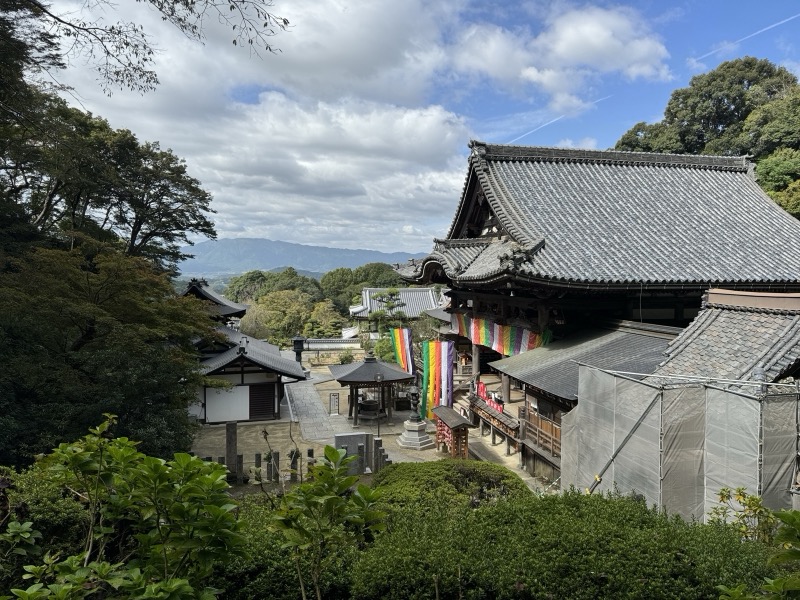
岡寺(龍蓋寺)
Japan's first temple for warding off misfortune, home to a huge clay statue of Nyoirin Kannon.
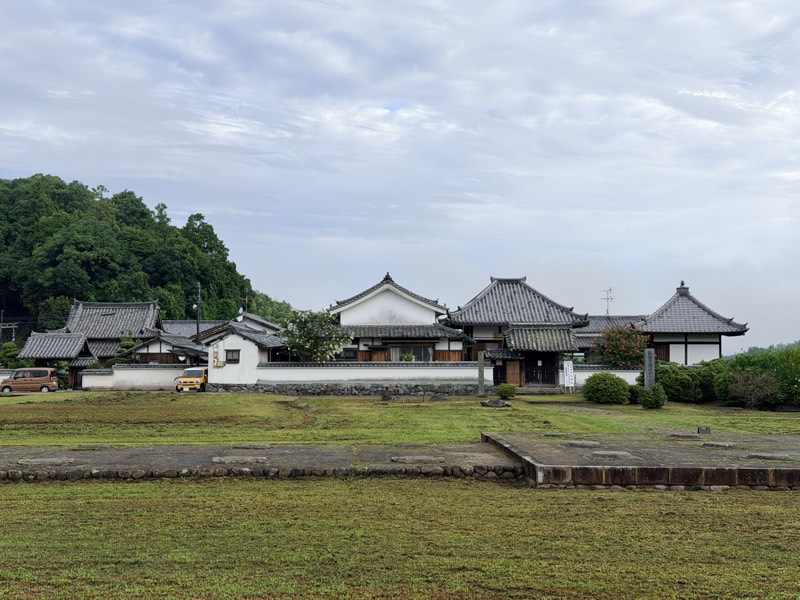
川原寺跡(弘福寺)
One of the four great temples of Asuka. Its foundation stones still show how large its halls once were.
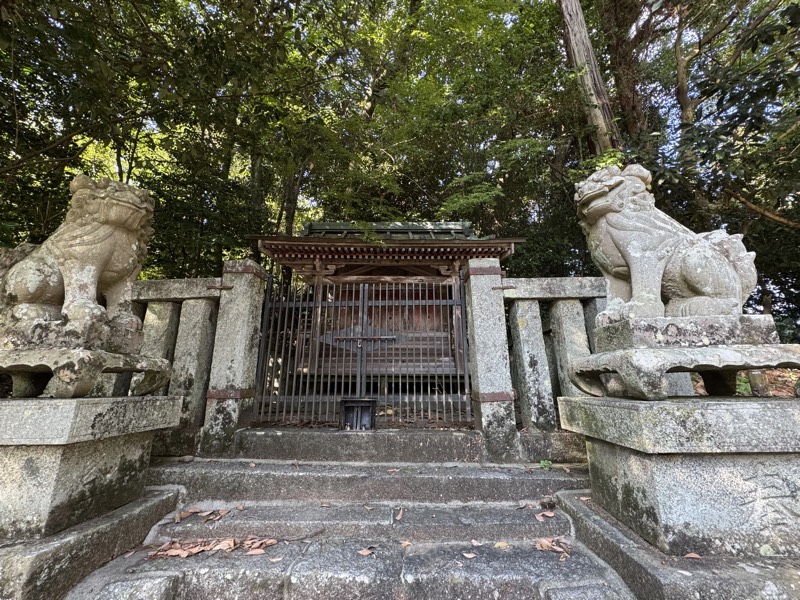
板蓋神社
A small Hachiman shrine on the hill northwest of the Kawaradera site. Its name recalls the Itabuki Palace, and the hillside behind it yielded a hoard of Kawaradera's clay Buddhist tiles.
RELATED COLUMN
They Buried the Burnt Buddhas: The Kawaradera Urayama SiteOn the slope northwest of the Kawaradera site, below Itabuki Shrine, a large pit packed with fragments of…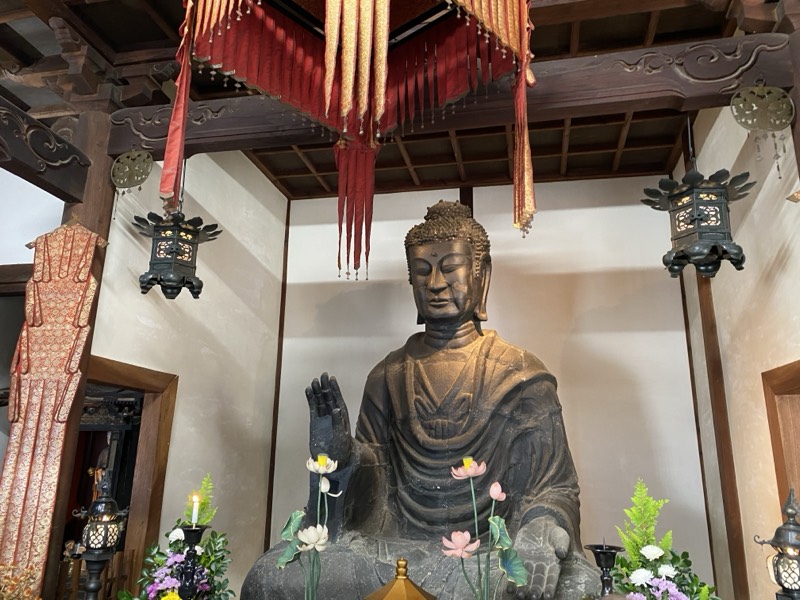 How a Foreign Buddha Became a Japanese Face: Buddhist Statues of Asuka and FujiwaraFrom the Asuka Daibutsu to the Yakushi Triad of Yakushi-ji Temple took about a hundred years. Over that…The Asuka Daibutsu: How Much of It Is 1,400 Years Old?In the Kamakura period (1185–1333), lightning set Asuka-dera Temple ablaze. All that survived, the records…