
Published
Four months have passed since "Asuka-Fujiwara" was inscribed as World Heritage in July 2026, and more visitors are coming to Asuka Village from all over Japan. In the panel discussion at the Asuka Village Open-Air Museum Forum in November, the mayor spoke frankly about the new liveliness and the worries that have come with it.
On July 26, 2026, "Asuka-Fujiwara" was inscribed on the World Heritage List. In the discussion at the 30th Asuka Village Open-Air Museum Forum on November 21, 2026, the mayor recalled that four venues were set up to watch the decision, and every one of them was in high spirits.
According to the mayor, the effect of inscription has been large within Japan, with many more visitors from Kobe, Kyushu, Tohoku, Tokyo and elsewhere. With them, the number of cars has also risen.
The biggest change the mayor named was in how villagers see things. The village children have learned the names of many of the component sites, and people in their thirties and forties have changed greatly in outlook, he said.
There is also a gathering where people connected with Asuka discuss the village's future, not only residents but people from nearby towns and people who work in Tokyo while staying involved with Asuka. What began as a discussion among about 30 people now has more than 60, and groups have started forming to launch projects.

At the same time, the mayor raised the risk that too many tourists could make living conditions worse.
The biggest issue is traffic, and there are also problems of manners and the like. Some of this is unavoidable when people gather, he said, but unless measures to prevent and ease it move forward at the same time, the village cannot move on to the next stage.
From around September, the village began work on parking. He hopes to show at least some results by next spring.
A committee is also meeting to discuss how residents and the World Heritage site can live together.
Another challenge the mayor named is that the Asuka and Fujiwara sites lie underground, so they are hard to understand by looking at them today. Since before inscription, the village has held to the idea of an "open-air museum" that treats the whole village as one museum, which is where the forum takes its name.
There is also a plan for a facility to conserve and present the Takamatsuzuka wall paintings, which the mayor introduced alongside the visitor base being planned in Buyeo.
The mayor also said Asuka cannot solve the traffic problem alone. Transport needs to be planned so that people can tour the World Heritage sites of the Kinki region together, from Kyoto, Nara, Hōryūji and Yoshino to the Mozu-Furuichi Kofun Group.
Asuka's roads are narrow, and people live right beside the sites. Autumn weekends draw many cars, so combining the train with the loop bus and rental bicycles is kinder to the village and easier for you. Please stay out of fields and private land, and tour with the sense that you are being allowed to walk through village life.

RELATED SPOT
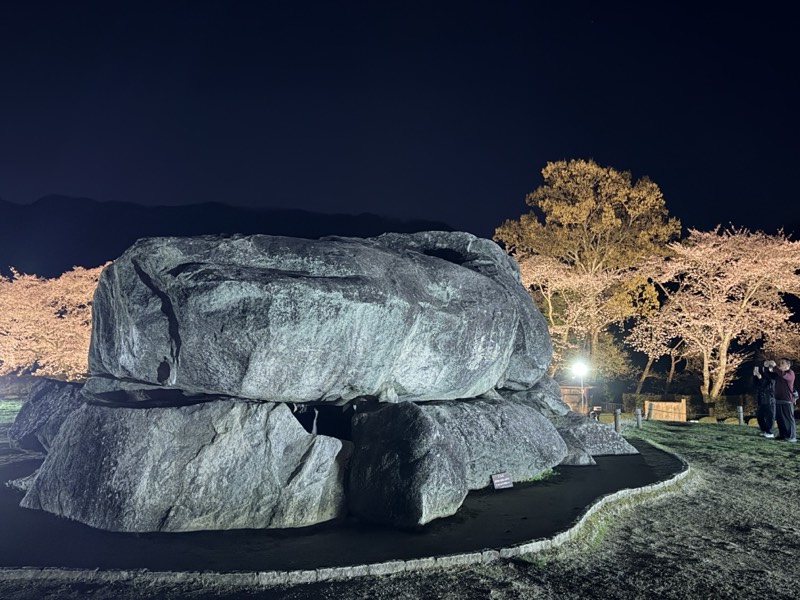
石舞台古墳
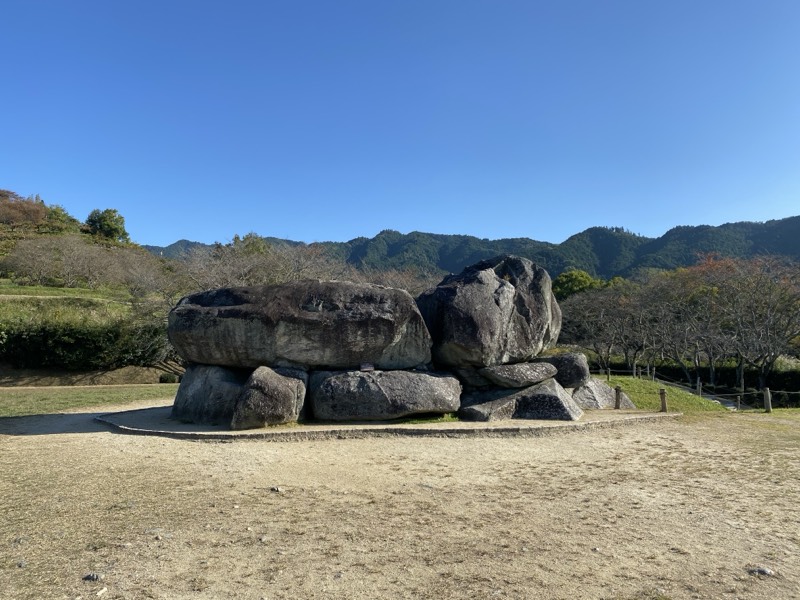
One of the largest stone burial chambers in Japan, its giant boulders left bare to the sky. The image most people picture when they think of Asuka.
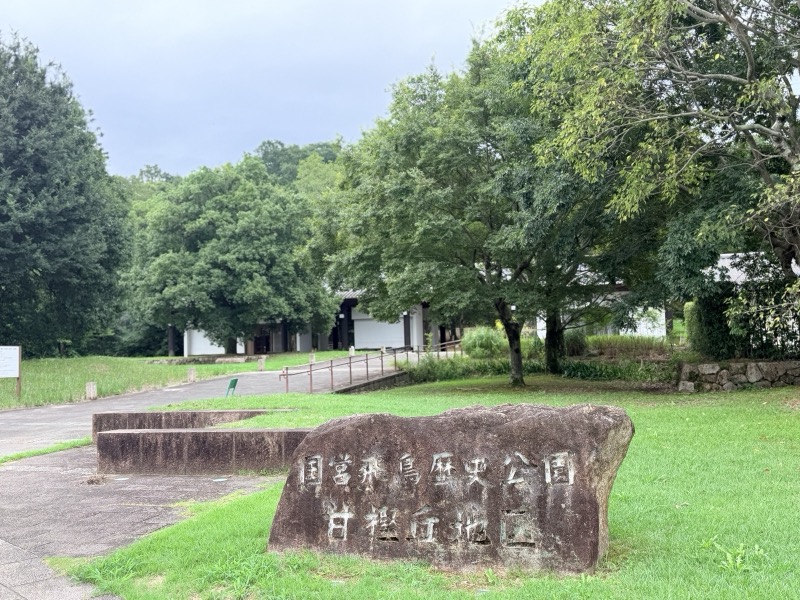
甘樫丘
A hill with views over all of Asuka, said to have been the site of the Soga clan's residences.
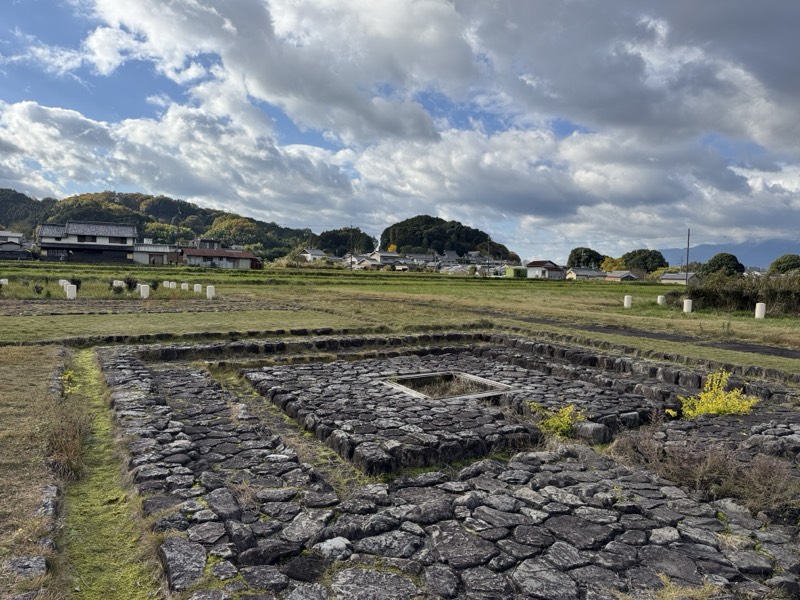
飛鳥宮跡(伝 飛鳥板蓋宮跡)
The political heart of Asuka, where several palaces were built one on top of another.
RELATED COLUMN
The Pleasure of Not Rebuilding Too Much: Asuka, Where the Ground of 1,400 Years Ago Lies Just BelowAsuka's sites have almost no reconstructed buildings, and people say they are hard to understand. But here…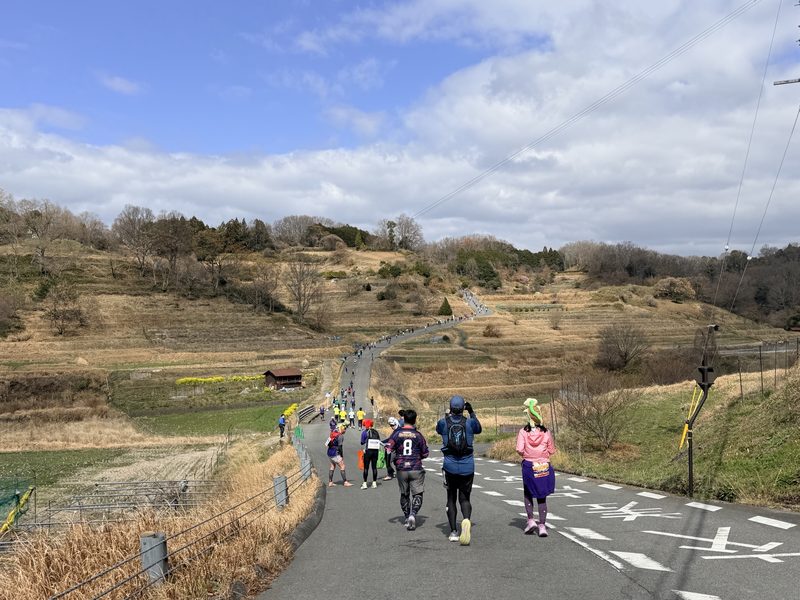 Remembered, Not Timed: Running the Asuka Half Marathon Past Ruins and Rice TerracesEvery March, 3,000 runners race past the historic sites and terraced rice fields of Asuka Village. Starting…
 Living on Top of the Past: Asuka's Special Act and Korea's Ancient Capitals ActThe whole of Asuka Village is protected by law. Buyeo in Korea is also covered by a special law as an ancient…