
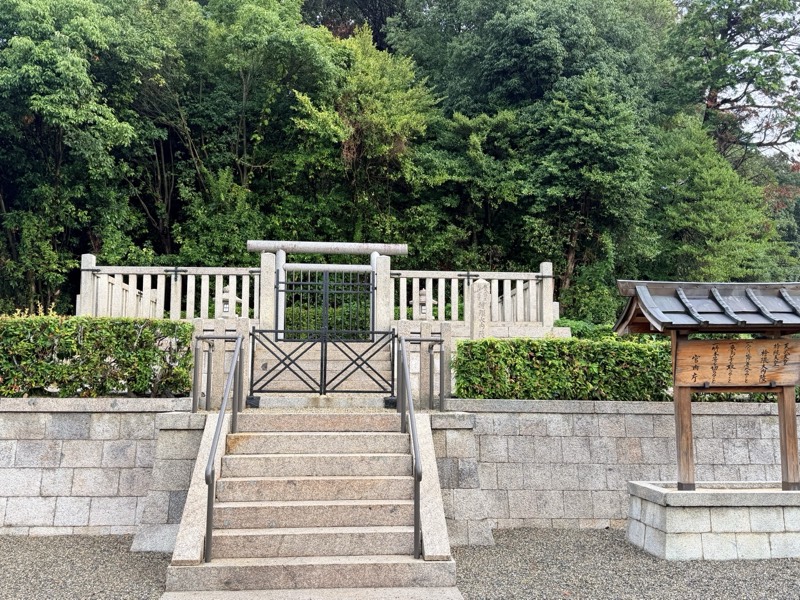
Before she married Emperor Jomei, Empress Kōgyoku had already borne a son: Prince Aya (Aya no Miko). The Nihon Shoki (Japan's oldest official chronicle, compiled in 720) mentions his name once, and never again.
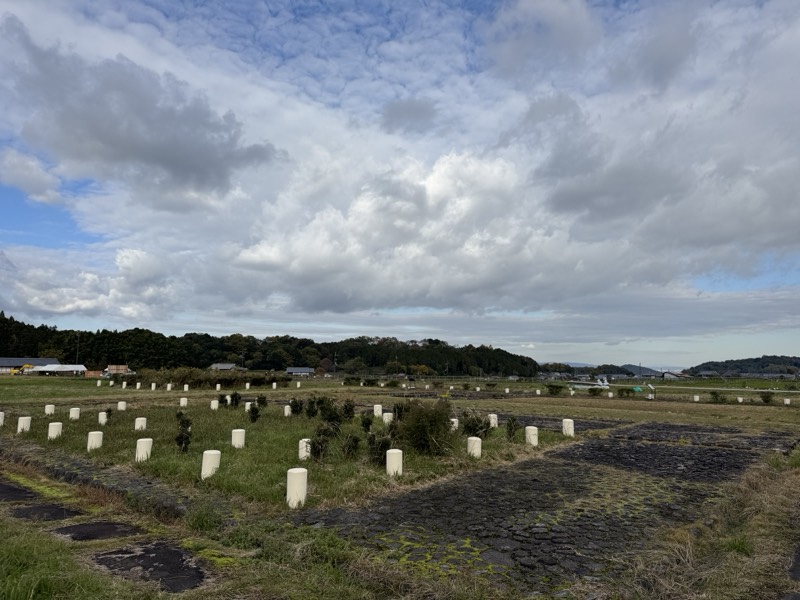
It was a match arranged by Nakatomi no Kamatari: the eldest daughter of Soga no Kura-no-Yamada no Ishikawamaro was to marry Prince Naka no Ōe. On the wedding night, a man from her own clan carried her off.
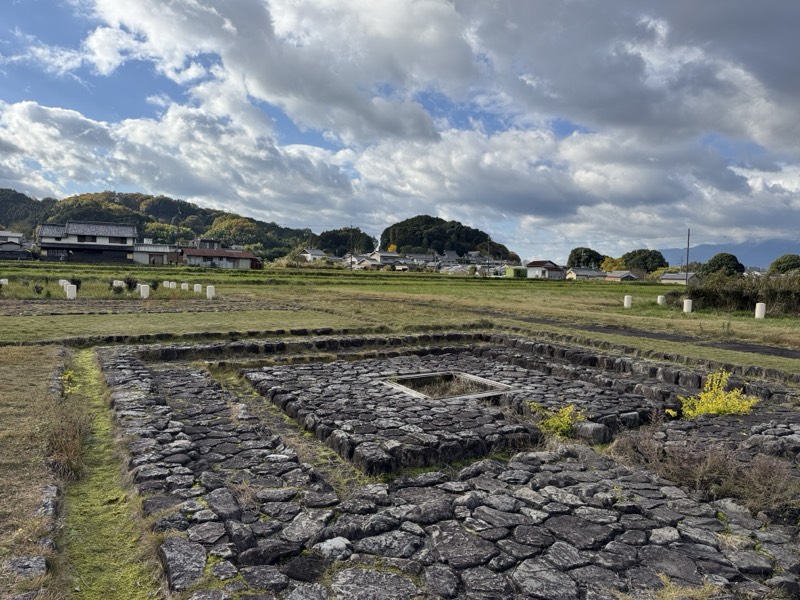
Born into the branch of the Soga clan that kept its storehouses, he joined the side that killed Iruka, and four years later died suspected of treason. His daughters became the mothers of Empress Jitō and Empress Genmei.
In 690, the year Empress Jitō took the throne in Japan, Wu Zetian became emperor in Tang China. Half a century earlier, Silla in Korea had also had a queen. Why did female rulers follow one another in 7th-century East Asia?
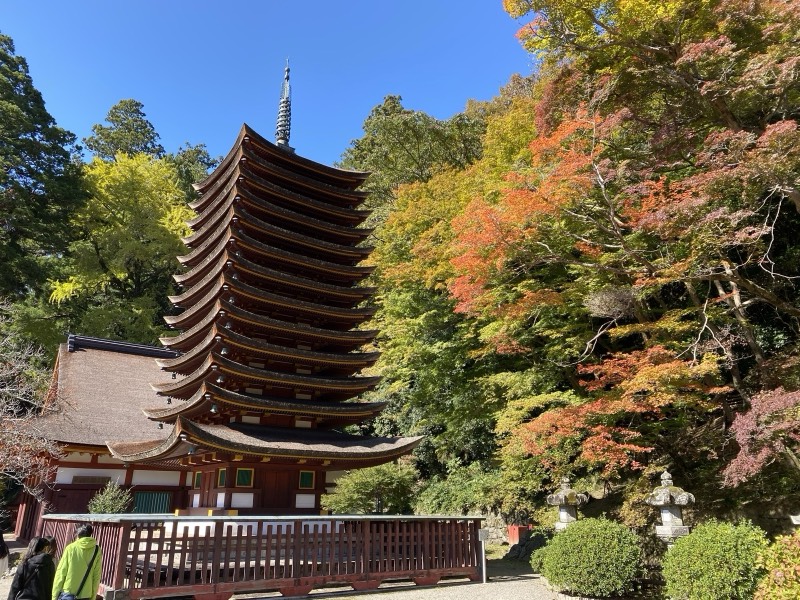
The eldest son of Fujiwara no Kamatari crossed to Tang China at the age of eleven. He came back in the autumn of his twenty-third year, and died at the end of that same year. The one who wrote that he was poisoned was a member of his own family.
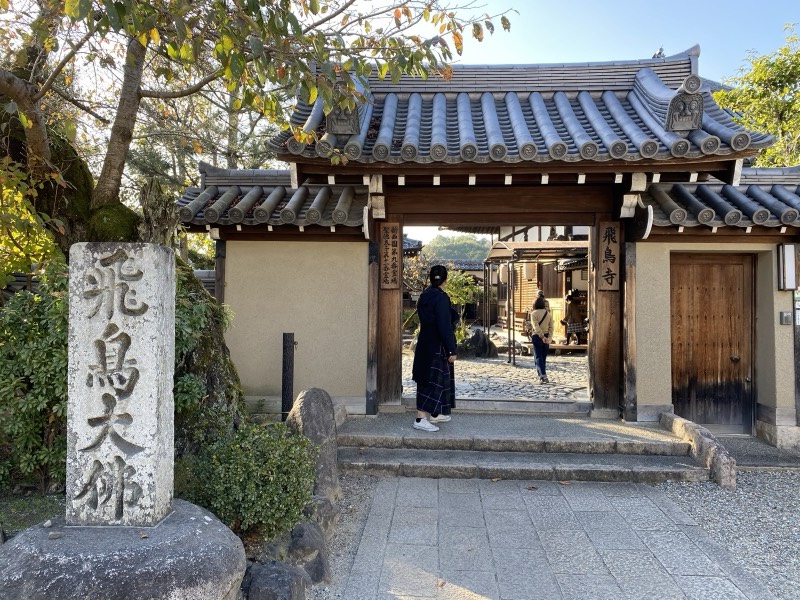
To Sui China, then to Tang. Some spent decades across the sea before coming home. What they brought back was not objects but the very framework of a state.
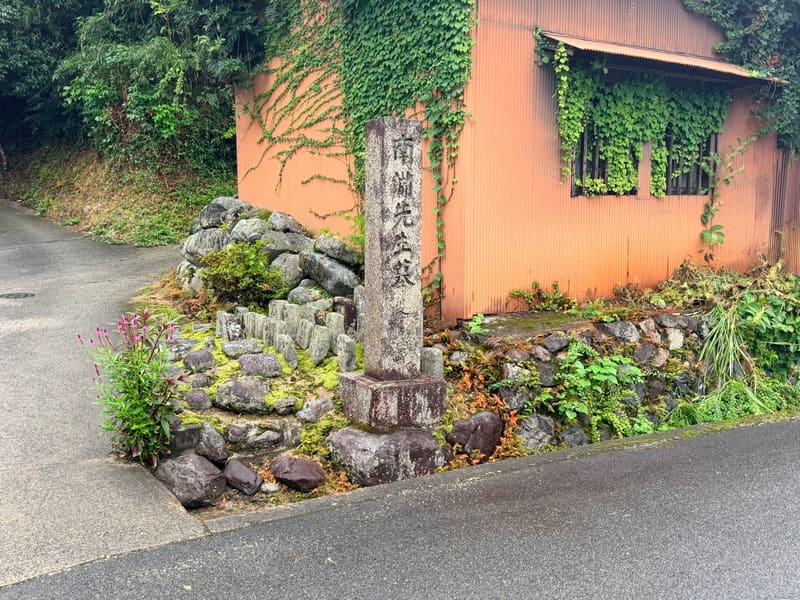
Prince Naka no Ōe and Nakatomi no Kamatari went to study with a scholar who had spent more than thirty years on the continent after travelling with an embassy to Sui China. His school is said to have stood on a sloping road in Inabuchi.
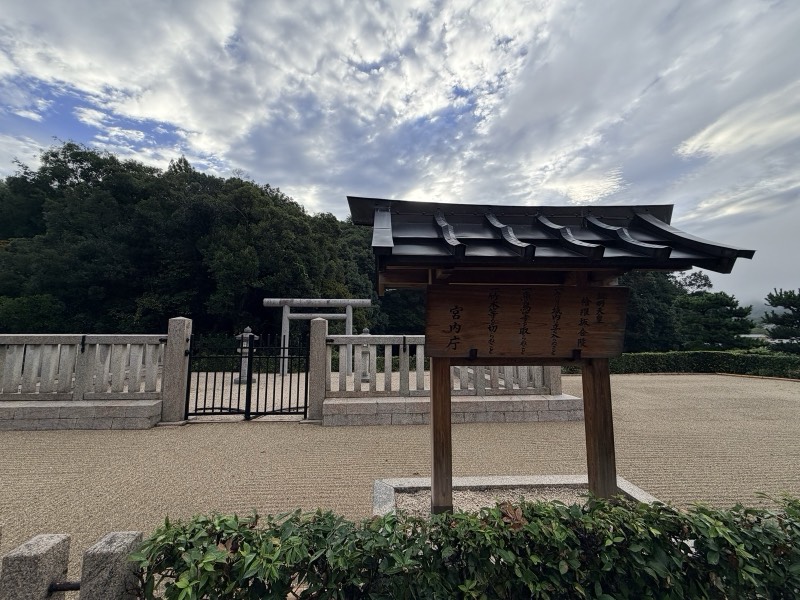
From the accession of his father, Emperor Keitai, to the reigns of the children who took the throne one after another: tracing the emperor who stands at the threshold of the Asuka period.