
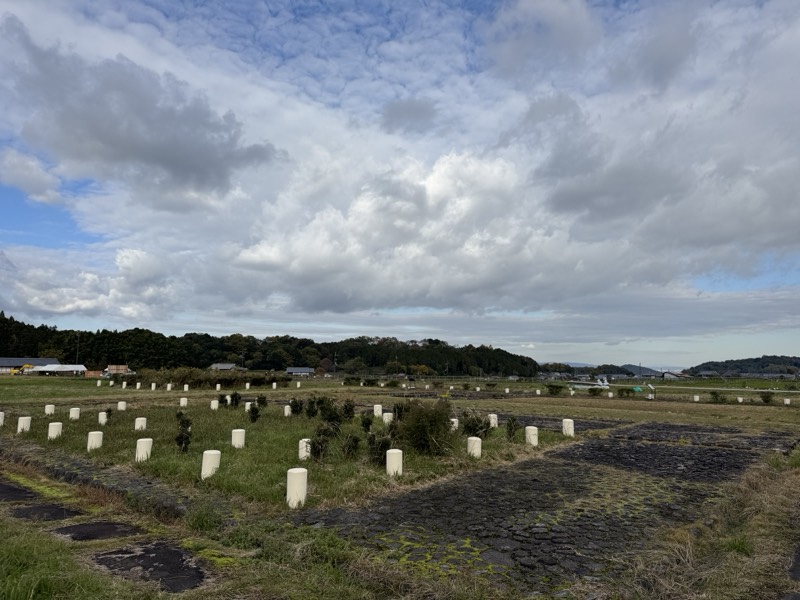
In ancient Japan the throne often passed from elder brother to younger. One attempt to draw a line from father to son failed. The one who made it stick the second time was Empress Jitō.

The "Ōe" in Prince Naka-no-Ōe is not a personal name. It is a term showing eligibility to succeed to the throne. In the first half of the 7th century, three princes bore it.
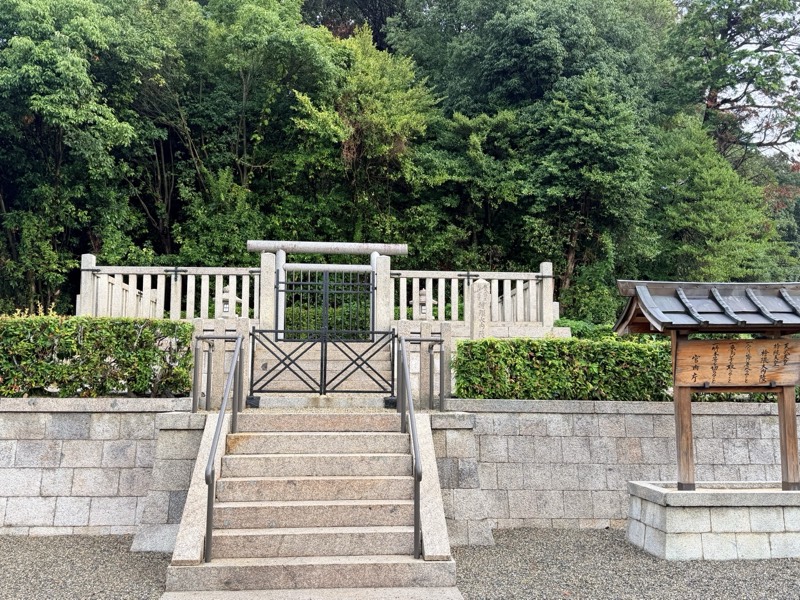
Before she married Emperor Jomei, Empress Kōgyoku had already borne a son: Prince Aya (Aya no Miko). The Nihon Shoki (Japan's oldest official chronicle, compiled in 720) mentions his name once, and never again.
It was a match arranged by Nakatomi no Kamatari: the eldest daughter of Soga no Kura-no-Yamada no Ishikawamaro was to marry Prince Naka no Ōe. On the wedding night, a man from her own clan carried her off.
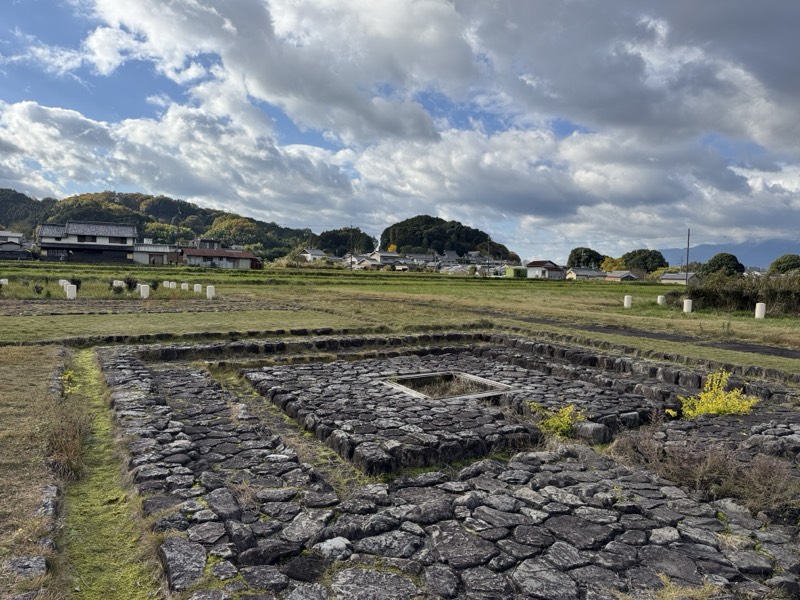
Born into the branch of the Soga clan that kept its storehouses, he joined the side that killed Iruka, and four years later died suspected of treason. His daughters became the mothers of Empress Jitō and Empress Genmei.
In 690, the year Empress Jitō took the throne in Japan, Wu Zetian became emperor in Tang China. Half a century earlier, Silla in Korea had also had a queen. Why did female rulers follow one another in 7th-century East Asia?
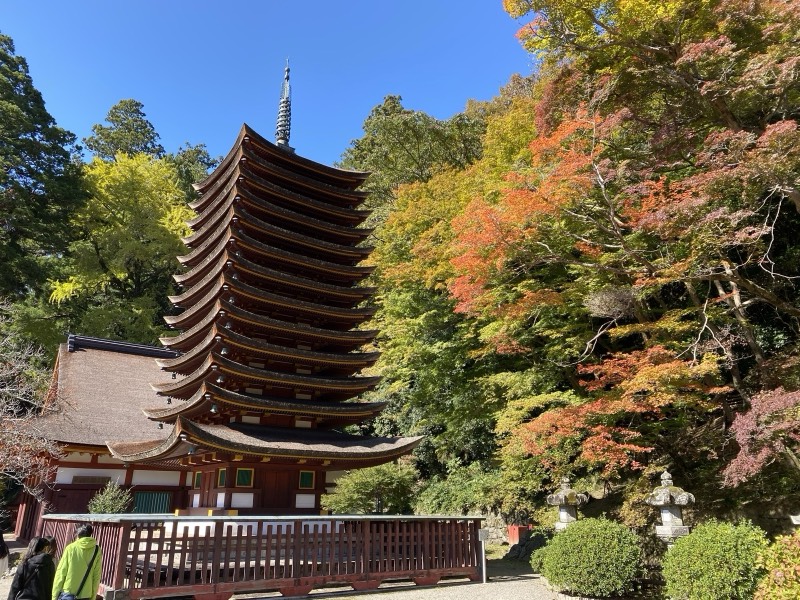
The eldest son of Fujiwara no Kamatari crossed to Tang China at the age of eleven. He came back in the autumn of his twenty-third year, and died at the end of that same year. The one who wrote that he was poisoned was a member of his own family.
To Sui China, then to Tang. Some spent decades across the sea before coming home. What they brought back was not objects but the very framework of a state.