

From Makimuku at the foot of Mt Miwa, by way of Iware, to Asuka: the seat of royal power moved south across a distance of about ten kilometres.
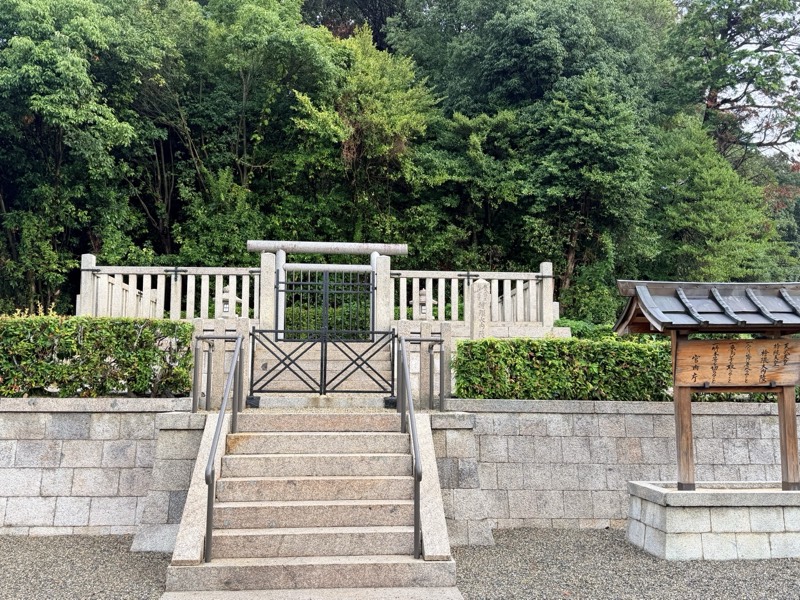
In 690, the year Empress Jitō took the throne in Japan, Wu Zetian became emperor in Tang China. Half a century earlier, Silla in Korea had also had a queen. Why did female rulers follow one another in 7th-century East Asia?
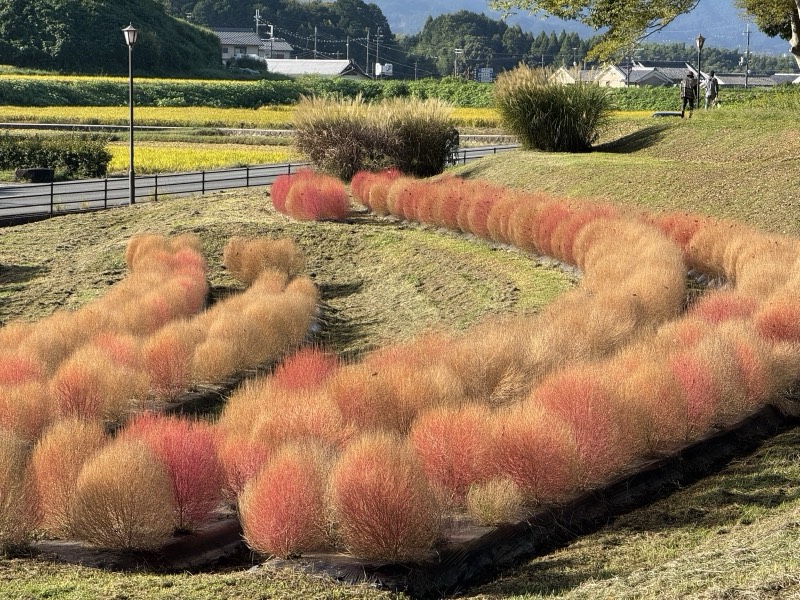
The Nihon Shoki says Soga no Emishi and Soga no Iruka had their mansions here. Yet excavation has found nothing conclusive. And Amakashi-niimasu Shrine stands a little away from the hill.
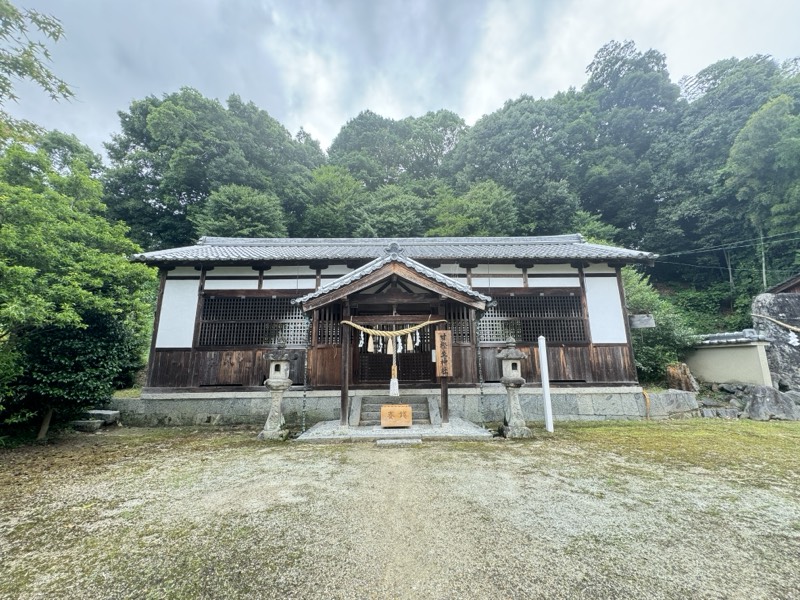
Those who lie are scalded; the honest come away unhurt. According to the Nihon Shoki, this trial was held on Amakashi Hill. The rite survives to this day at Amakashi-niimasu Shrine.
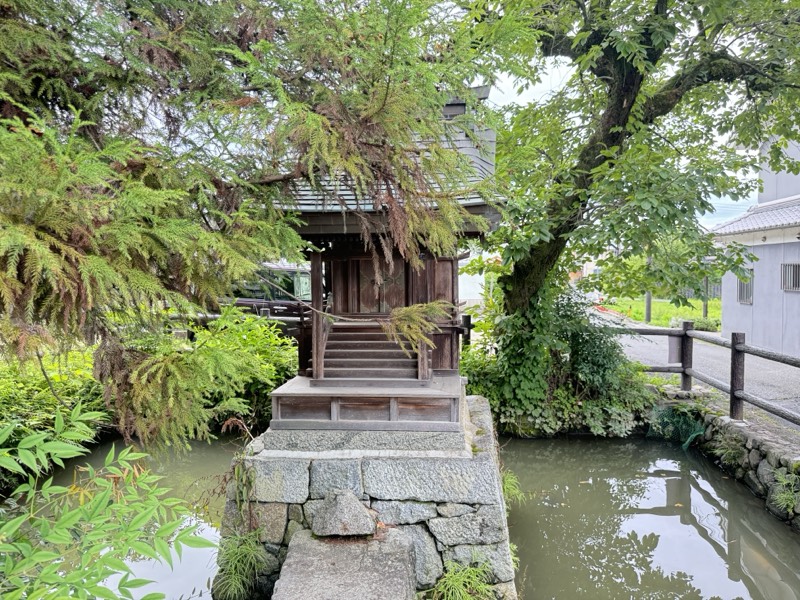
A waterway in Osaka near the sea, or a small pond in Asuka? The "Naniwa no Horie", which the Nihon Shoki names as the place where a Buddhist statue was thrown away, still has two candidates today.
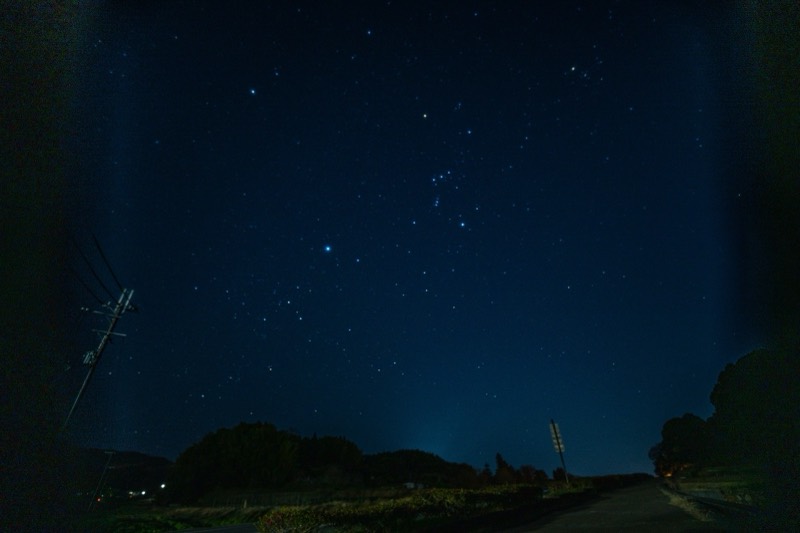
With few street lights, the sky seems to come closer once the sun goes down. And in this village, how the people of the Asuka period looked at the stars has survived intact.
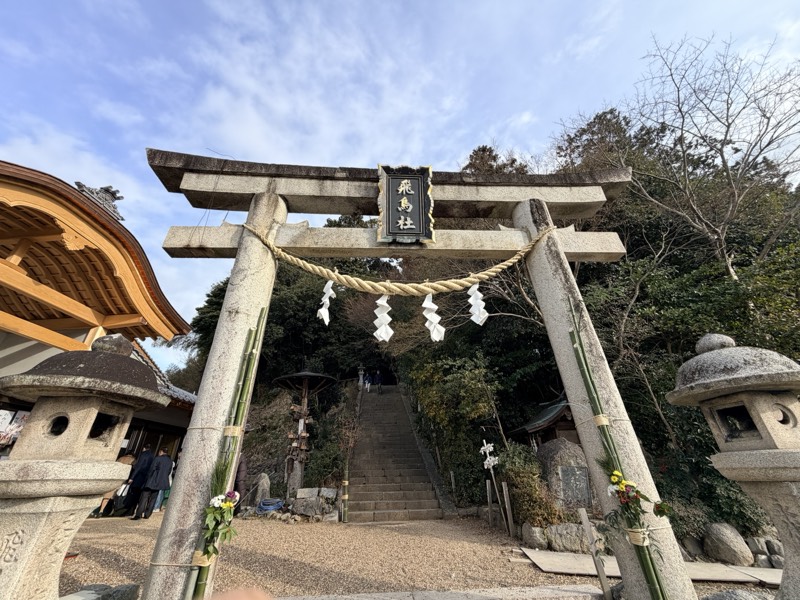
The ruins and the historical period are written 飛鳥, the village is written 明日香. Both are read "Asuka", so why are the characters different? And what does "Asuka" mean in the first place?
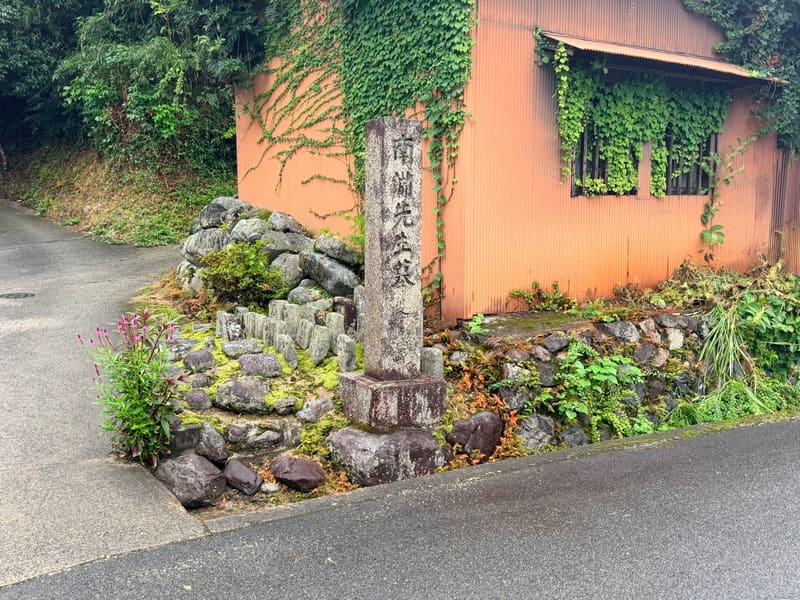
In 600 the first envoys sent to the Sui court in China came home having been told by the emperor that their ways made no sense. Within a hundred years, this country had become a state governed by ritsuryō law codes.