
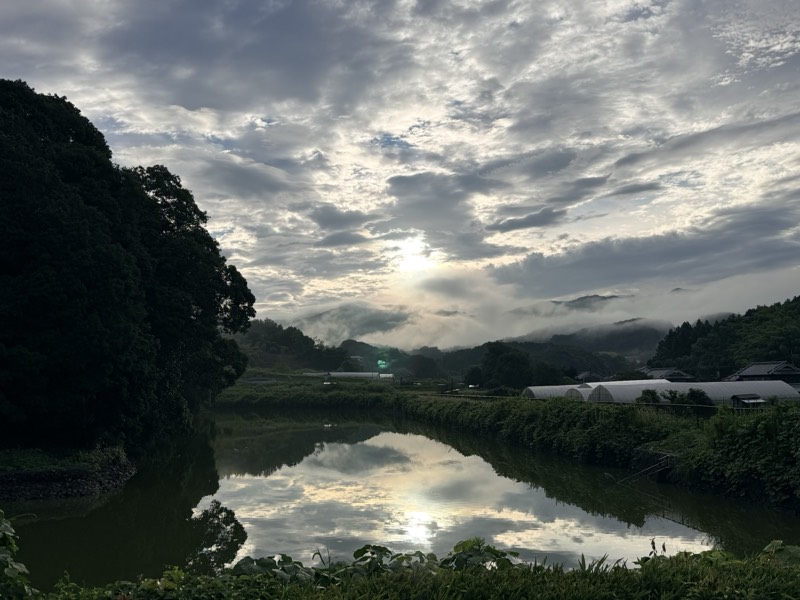
Around Kintetsu Asuka Station, in Hirata, Noguchi and Koshi, a number of kofun said to be the tombs of emperors lie within a few kilometres of one another. Nowhere else are they packed so densely.
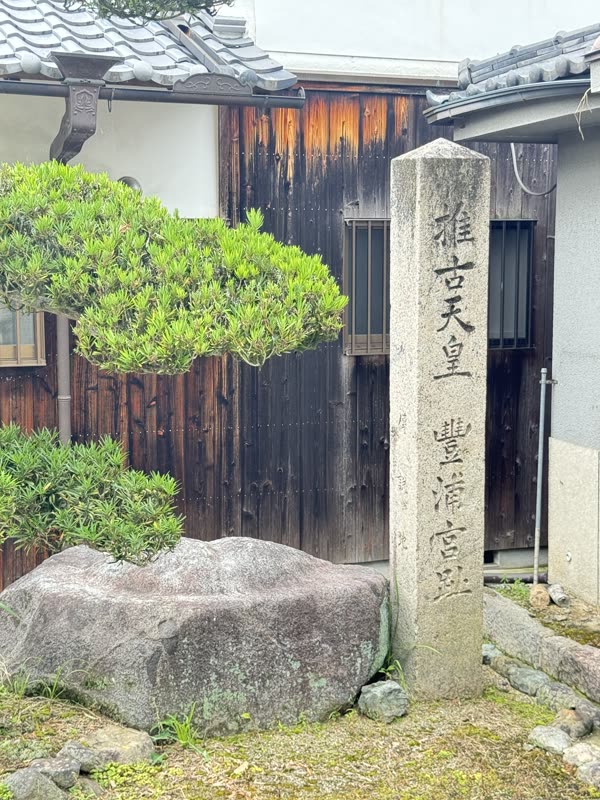
Toyura, Oharida, Okamoto, Itabuki, Kawahara, Kiyomihara. Over a hundred years the palace moved again and again, and then it stopped moving.
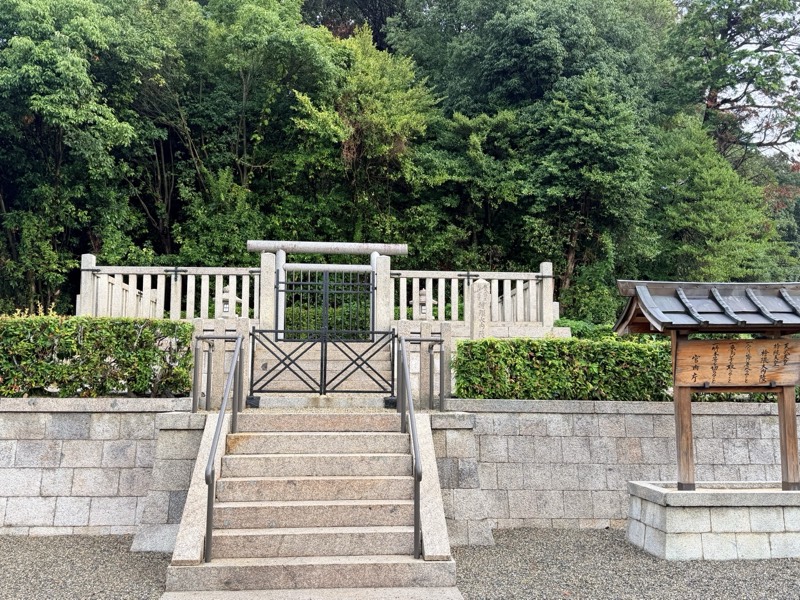
Very few imperial tombs can be attributed to their occupants with near certainty. This one can because the investigation report from a tomb robbery in 1235 survived.
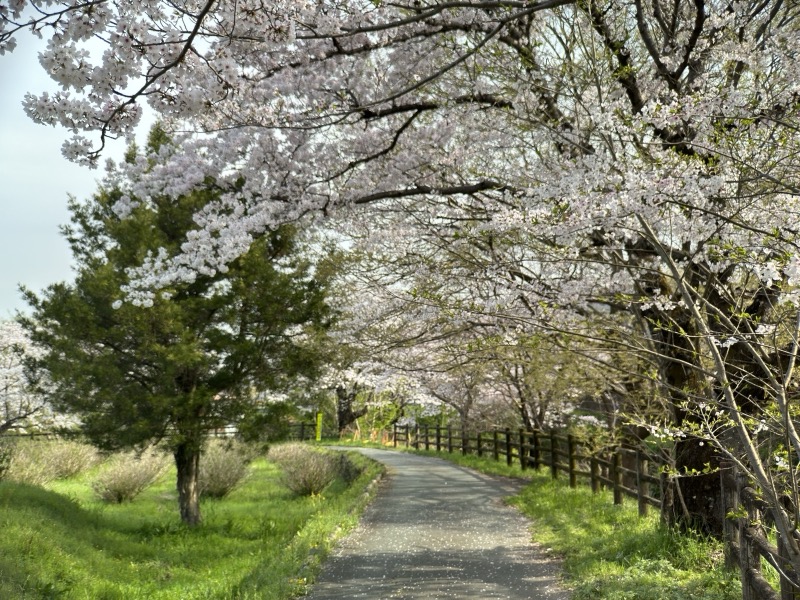
Three kinds of rain-making were tried in turn, and when at last the empress prayed upstream on the Asuka River, it rained for five days. There is a reason the Nihon Shoki was so careful to set out that sequence.
Several theories have been put forward about who is buried in the largest keyhole-shaped tomb in Asuka Village.