
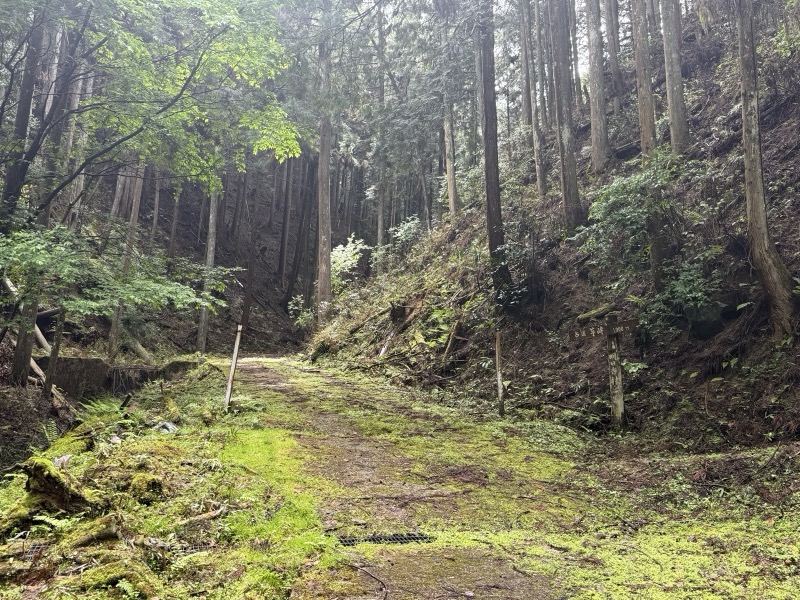
Enter the mountains at the far end of Asuka, cross a single ridge, and you are in Yoshino. Prince Ōama crossed this road as if fleeing pursuers. Empress Jitō travelled the same road back and forth more than thirty times during her reign.
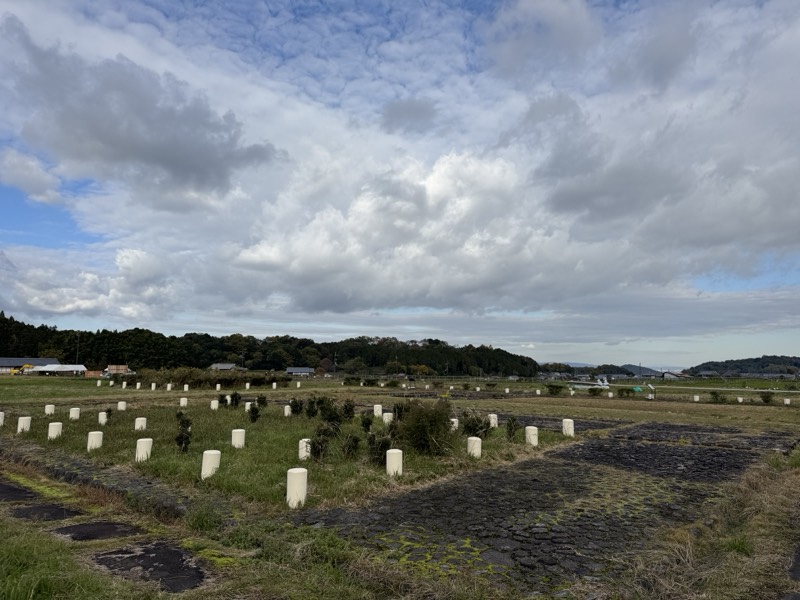
The man given command of the army in the Jinshin War was a 19-year-old eldest son. Because of his mother's low standing, he was considered far from the throne. Yet the way his death was treated was too grand for a mere prince.
As the empress who completed the ritsuryō state (a state governed by law codes), she is usually spoken of in the same breath as her husband, Emperor Tenmu. But she was also Emperor Tenchi's daughter. This column considers whether the sense of carrying on her father's legacy may have been the stronger one.
In ancient Japan the throne often passed from elder brother to younger. One attempt to draw a line from father to son failed. The one who made it stick the second time was Empress Jitō.
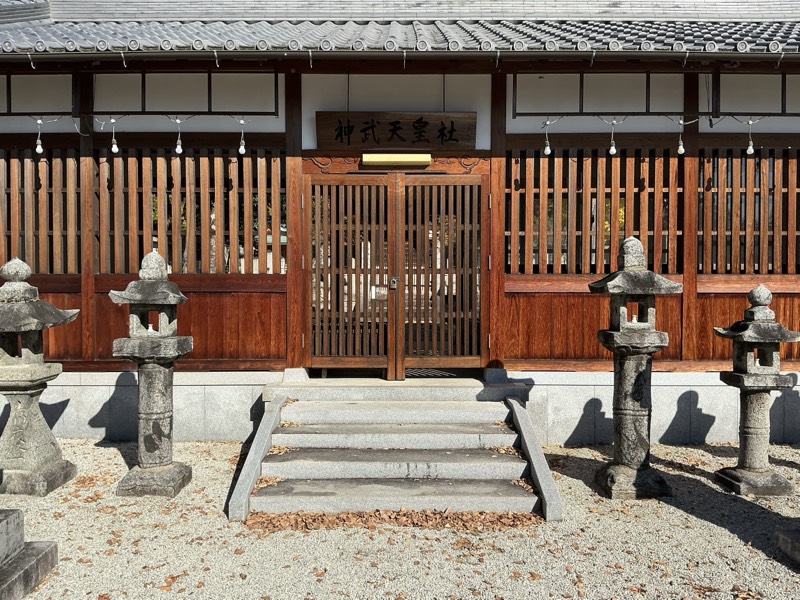
Kashihara, where Emperor Jinmu was enthroned, is now placed at the foot of Mt Unebi in Kashihara City. But the same tradition also survives in another Kashihara, in Gose City.

The "Ōe" in Prince Naka-no-Ōe is not a personal name. It is a term showing eligibility to succeed to the throne. In the first half of the 7th century, three princes bore it.
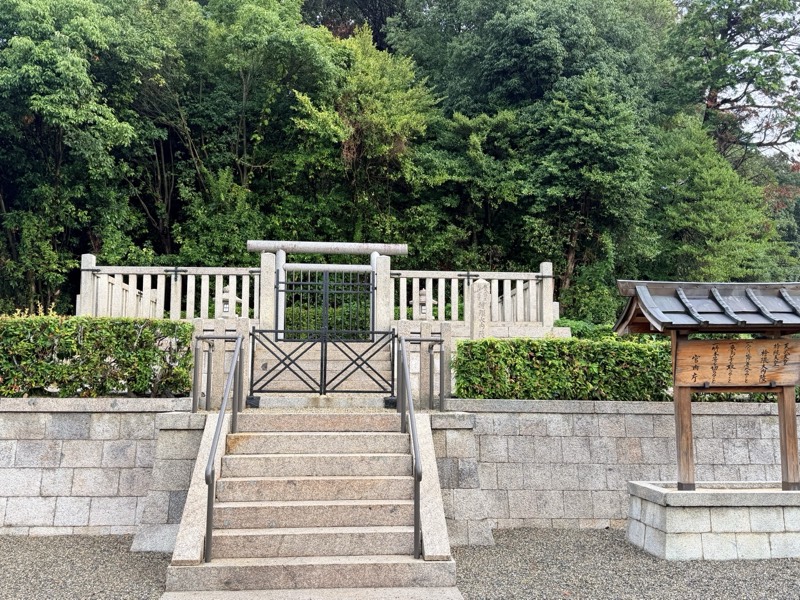
Before she married Emperor Jomei, Empress Kōgyoku had already borne a son: Prince Aya (Aya no Miko). The Nihon Shoki (Japan's oldest official chronicle, compiled in 720) mentions his name once, and never again.
It was a match arranged by Nakatomi no Kamatari: the eldest daughter of Soga no Kura-no-Yamada no Ishikawamaro was to marry Prince Naka no Ōe. On the wedding night, a man from her own clan carried her off.