

From Makimuku at the foot of Mt Miwa, by way of Iware, to Asuka: the seat of royal power moved south across a distance of about ten kilometres.
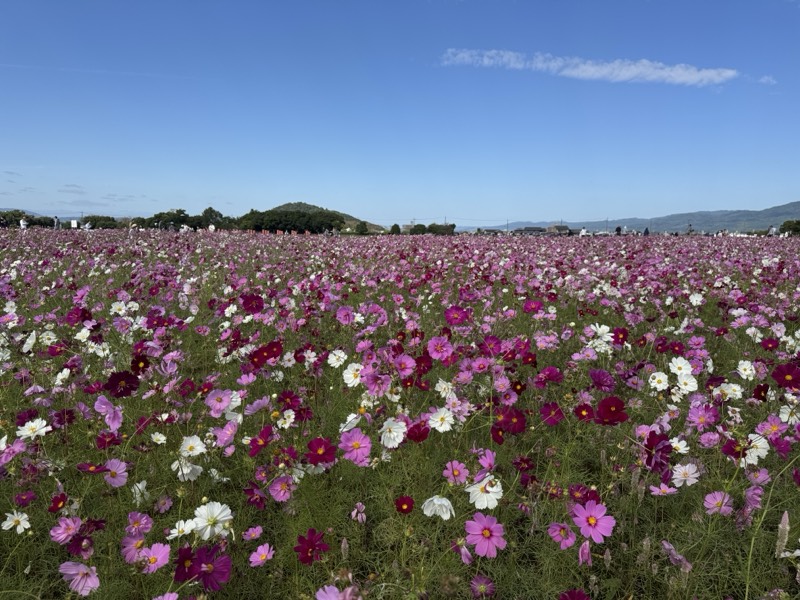
Fujiwara-kyō placed its palace at the centre of the capital, just as the Chinese classic the Rites of Zhou prescribes. Yet Chang'an, its supposed model, did not. Following why the original departed from the classic reveals who the Sui and Tang dynasties really were.
Japan's first full-scale planned capital was abandoned after just sixteen years. Poor drainage, the position of the palace, and what an embassy to Tang China brought back after a gap of thirty years: several theories are told.
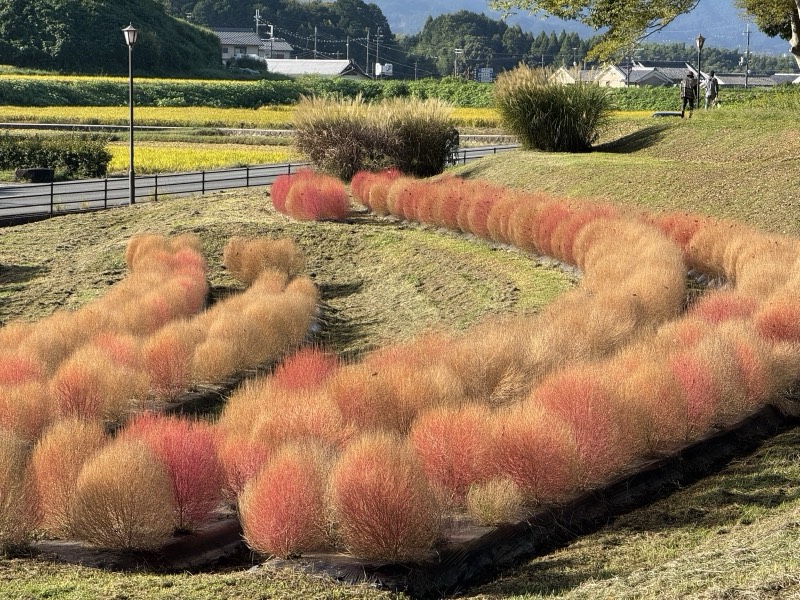
The Nihon Shoki says Soga no Emishi and Soga no Iruka had their mansions here. Yet excavation has found nothing conclusive. And Amakashi-niimasu Shrine stands a little away from the hill.
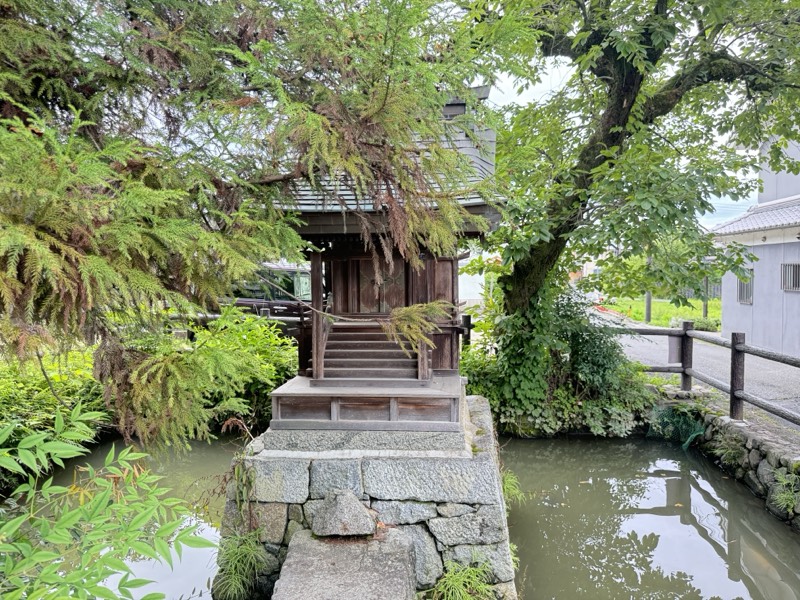
A waterway in Osaka near the sea, or a small pond in Asuka? The "Naniwa no Horie", which the Nihon Shoki names as the place where a Buddhist statue was thrown away, still has two candidates today.
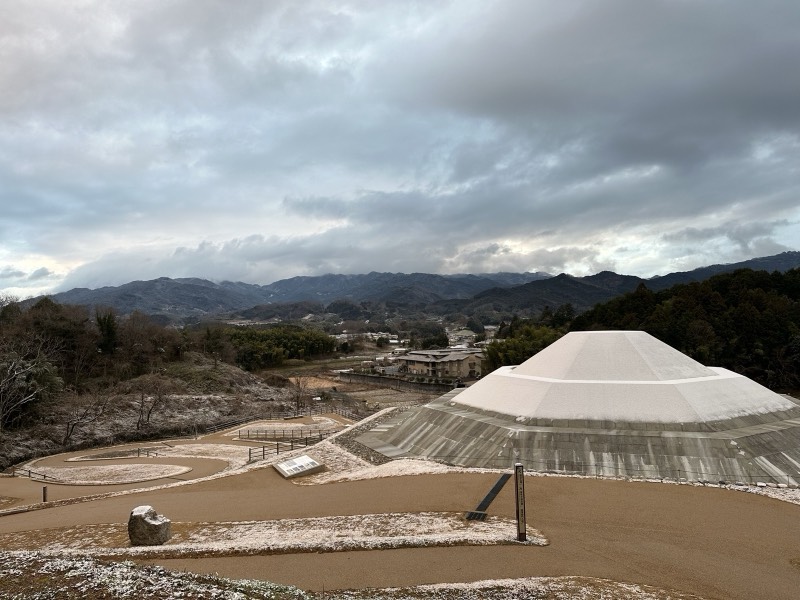
Neither round nor square, but a mound with eight sides. For about sixty years, from the mid-7th to the early 8th century, this shape was used only for the tombs of emperors.
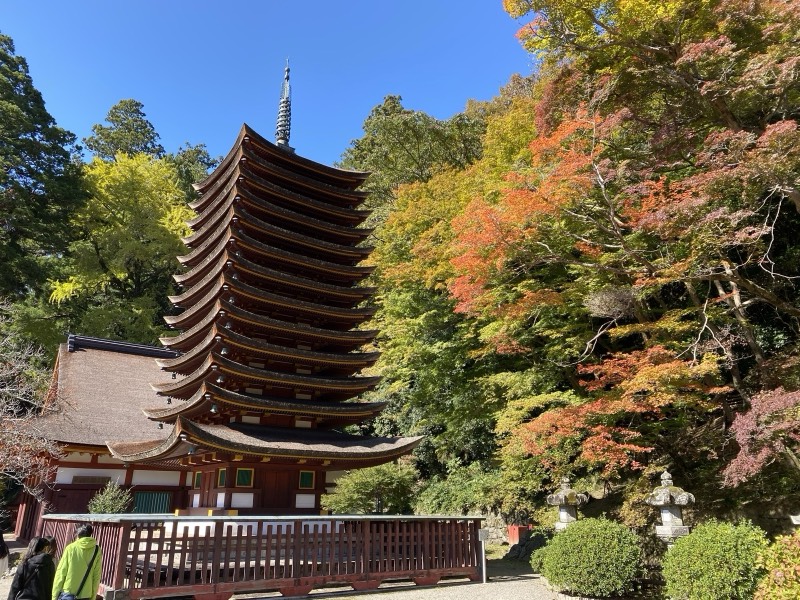
The eldest son of Fujiwara no Kamatari crossed to Tang China at the age of eleven. He came back in the autumn of his twenty-third year, and died at the end of that same year. The one who wrote that he was poisoned was a member of his own family.
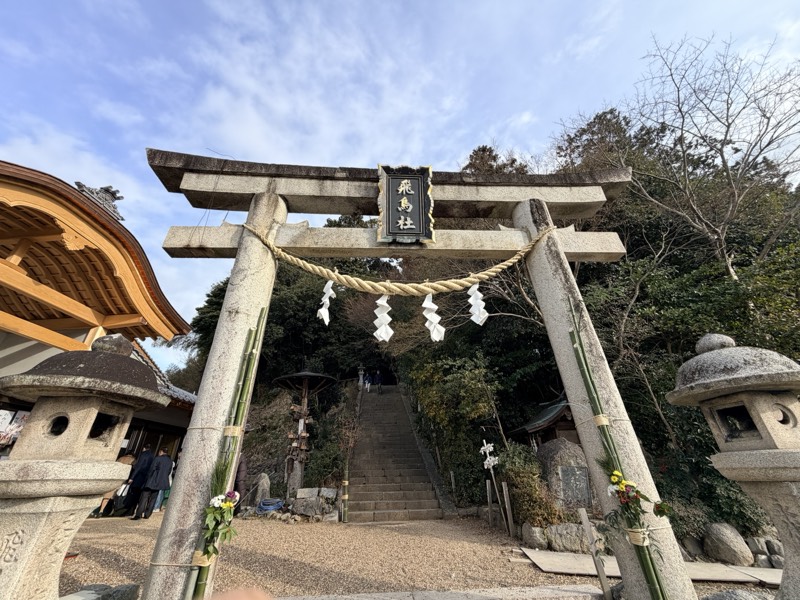
The ruins and the historical period are written 飛鳥, the village is written 明日香. Both are read "Asuka", so why are the characters different? And what does "Asuka" mean in the first place?